
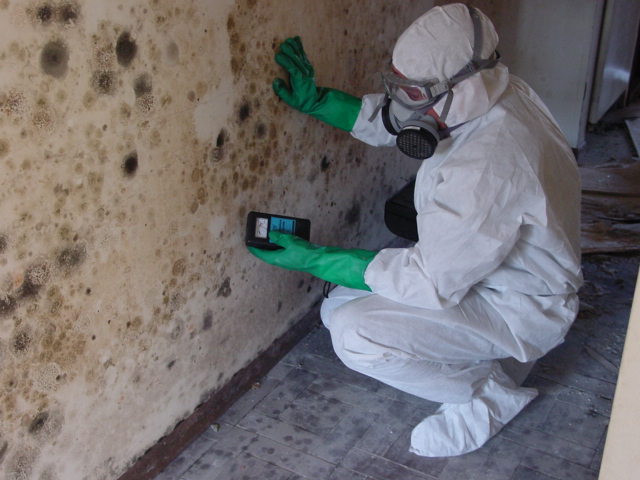
Moisture often settles quietly inside walls, ceilings, and enclosed spaces without drawing attention. Over time, that trapped presence alters indoor conditions in ways that remain invisible during routine observation. Here, early discovery becomes more reliable when mold testing solutions uncover moisture patterns beyond visible surfaces. Accurate insight allows property owners to respond before concealed conditions begin affecting structural stability.
Moisture Detection Starts With Precision
Accurate evaluation begins with identifying where dampness collects and how long it remains trapped. Subtle changes inside enclosed areas frequently escape notice because surface materials conceal deeper conditions. Professional assessment focuses on internal environments rather than surface appearance alone, allowing problems to be identified before they expand. This careful approach reduces uncertainty and limits decisions based on incomplete visual signs.
Unseen Water Sources Demand Attention
Moisture typically forms due to specific triggers, though those sources are frequently missed during routine checks. Gradual leaks, lingering humidity, and condensation tend to build behind finished surfaces, allowing conditions to go unnoticed over long periods.
Key contributing conditions include:
- Minor plumbing seepage within walls
- Condensation around sealed windows
- Roof gaps allowing gradual intrusion
- Poor drainage near foundations
- Humidity buildup in enclosed spaces
- Aging materials retaining absorbed moisture
Recognizing these contributors helps narrow evaluation efforts and prevents unnecessary guesswork. Addressing sources early limits further spread and reduces the likelihood of long-term material degradation.
Inspection Methods Reveal Concealed Conditions
Different inspection approaches provide clarity that visual checks cannot deliver on their own. Each method contributes unique insight when used together, helping identify patterns across air and surface conditions.
Common evaluation approaches include:
- Surface sampling across suspect areas
- Air collection within enclosed rooms
- Moisture meters for material assessment
- Thermal imaging for temperature variation
- Swab testing on contact points
- Comparative indoor and outdoor readings
When combined, these techniques create a clearer understanding of internal conditions. Here, Structural evaluations gain depth as mold testing solutions trace airborne and surface-level indicators together, offering a more complete view of hidden moisture behavior.
How Should Homeowners Interpret Results?
Results often raise questions about severity, scope, and appropriate next steps. Numerical findings and sample data require explanation to become meaningful rather than alarming. Understanding trends helps distinguish between isolated conditions and broader concerns, allowing decisions to remain grounded in context rather than assumption.
Timing Matters When Conditions Shift
Environmental changes influence how moisture behaves within enclosed spaces throughout the year. Seasonal transitions, weather fluctuations, and usage changes affect internal balance in subtle ways. Testing during periods of change often reveals concerns that remain hidden during stable conditions, making timing a valuable factor in accurate evaluation.
Confidence Grows Through Informed Oversight
Ongoing awareness strengthens a homeowner’s ability to protect long-term property value. Periodic evaluation supports early recognition rather than reactive correction after damage becomes visible. Clear insight encourages proactive planning and thoughtful maintenance decisions. Informed oversight quietly builds confidence in indoor conditions over time.