

The installation of solar panels on residential buildings involves various legal requirements designed to ensure safety, compliance with local regulations, and protection of property rights. Homeowners interested in adopting solar energy must understand these legal frameworks before proceeding with installation. The first step typically involves obtaining necessary permits from local government authorities. These permits confirm that the proposed solar system meets building codes, zoning laws, and electrical standards specific to the area. Building codes address structural integrity, ensuring that roofs can support the additional weight of solar panels without risk of damage or collapse. Electrical codes regulate wiring and connections to prevent hazards such as short circuits or fire risks.
Zoning laws play a significant role in determining where solar installations can be placed on a property. Some municipalities have restrictions related to aesthetics or neighborhood uniformity, which might limit panel placement or require approval from homeowner associations (HOAs). HOAs often have their own rules regarding modifications to homes visible from public spaces; therefore, homeowners should review these guidelines carefully before installing panels. In some regions, state laws may override HOA restrictions by granting homeowners the right to install solar equipment under certain conditions.
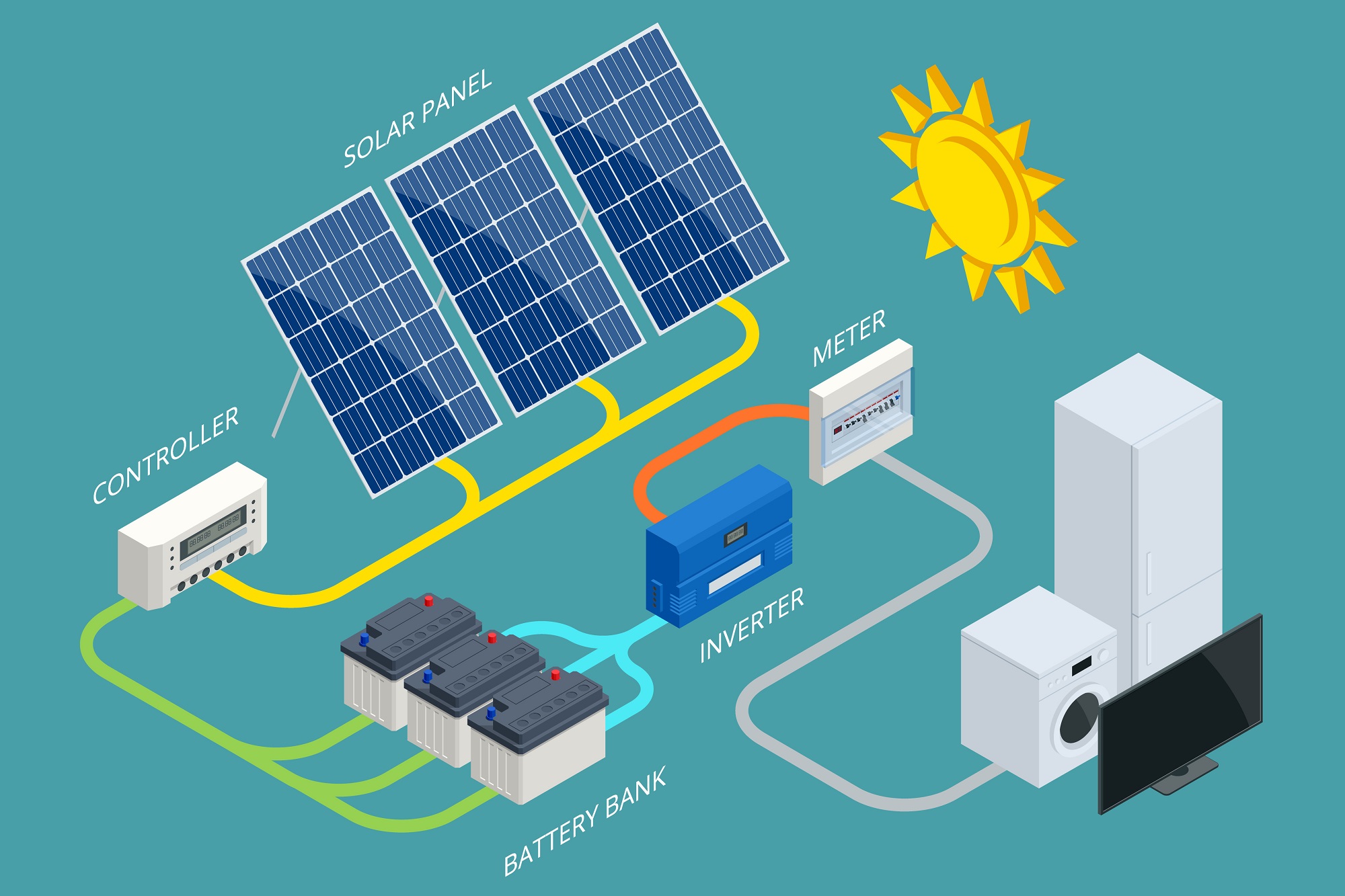
Another important legal consideration is interconnection agreements with utility companies. These get more info agreements govern how residential solar systems connect to the electrical grid and outline procedures for net metering-the process by which excess electricity generated by rooftop panels is fed back into the grid for credit compensation. Utility providers may require inspections and certifications before approving interconnection to ensure compliance with safety standards.
Additionally, there are regulations concerning warranties and consumer protections related to purchasing and installing solar equipment. Installers must adhere to licensing requirements set by state agencies; unlicensed work could void warranties or result in penalties. Homeowners should verify that contractors hold appropriate licenses and insurance coverage prior to commencing any work.
Environmental regulations may also apply depending on location, particularly if installations involve ground-mounted systems rather than roof-mounted ones. Compliance with stormwater management rules or preservation of protected landscapes might be necessary in those cases.
In summary, navigating the legal landscape for residential solar installations requires attention to building permits, zoning restrictions, HOA policies where applicable, utility interconnection protocols, contractor licensing standards, and environmental considerations. Engaging professionals knowledgeable about local laws helps ensure lawful installation while maximizing benefits from renewable energy adoption at home. Understanding these requirements protects both investment value and community interests throughout the transition toward sustainable power sources within residential settings.