
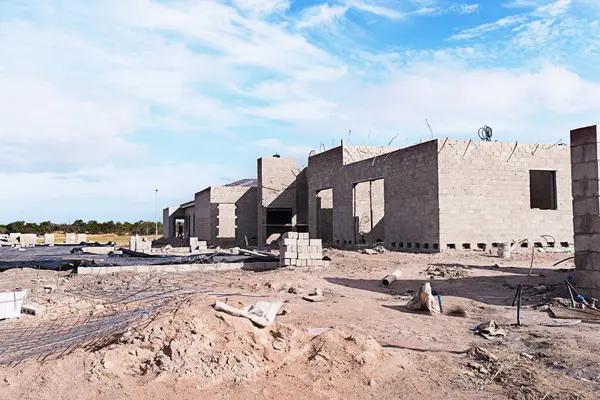
Foundation repairs are critical to maintaining the structural integrity of a home, yet many homeowners make avoidable mistakes that can lead to costly consequences. One common error is delaying the inspection and repair process. Ignoring early signs of foundation problems, such as cracks in walls or uneven floors, often results in more extensive damage over time. Prompt attention allows professionals to assess the situation accurately and recommend appropriate solutions before minor issues escalate into major structural failures.
Another frequent mistake involves choosing unqualified or inexperienced contractors for foundation repairs. Foundation work requires specialized knowledge and skills; hiring someone without proper credentials can compromise the quality of repairs and potentially worsen existing problems. It is essential to verify a contractor’s licenses, insurance coverage, and track record before proceeding with any repair project. Additionally, obtaining multiple quotes helps ensure competitive pricing while providing insight into different approaches visit for more insights addressing foundation issues.
Homeowners sometimes underestimate the importance of thorough diagnostic testing prior to beginning repairs. Simply addressing visible cracks without understanding their underlying causes may lead to ineffective solutions that fail over time. Comprehensive evaluations typically include soil analysis, moisture level assessments, and structural inspections designed to identify factors contributing to foundation movement or deterioration. These diagnostics enable contractors to develop tailored repair plans that address root causes rather than symptoms alone.
Using inappropriate materials during foundation repairs also presents significant risks. Some cheaper alternatives may not withstand environmental stresses or long-term wear as effectively as recommended products specified by industry standards. Employing substandard materials might reduce initial expenses but often results in recurring problems requiring additional maintenance costs down the line.
Neglecting drainage considerations around a property is another factor that exacerbates foundation troubles after repairs are completed. Poor water management leads to soil erosion or excessive moisture accumulation near foundations, which increases pressure on support structures and accelerates damage progression. Proper grading away from buildings combined with functional gutter systems ensures water flows safely away from vulnerable areas.
Finally, failing to maintain repaired foundations through regular inspections and upkeep limits their longevity significantly. Routine monitoring detects new shifts or emerging concerns early enough for timely intervention without extensive reconstruction efforts.
Avoiding these common pitfalls promotes successful foundation repair outcomes that protect both property value and occupant safety over time. Careful planning paired with professional expertise remains key when confronting foundational challenges in any residential setting.