

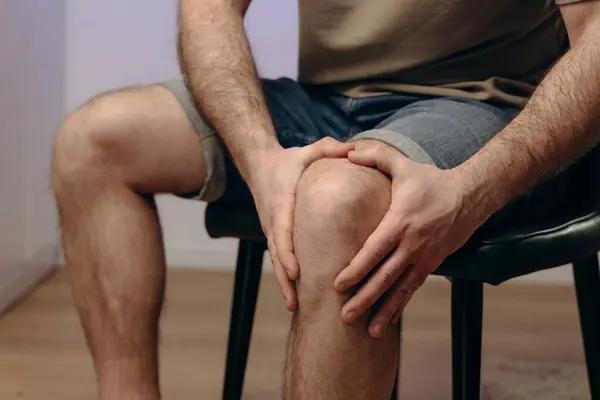
Knee discomfort is a common issue that affects people of all ages and activity levels, often interfering with daily activities and overall quality of life. Understanding the causes of knee pain is essential for effective treatment and prevention. The knee joint is a complex structure composed of bones, cartilage, ligaments, tendons, and muscles working together to provide stability and facilitate movement. When any component within this system becomes damaged or strained, discomfort may arise.
One primary cause of knee pain is injury. Trauma such as falls, collisions during sports, or accidents can lead to ligament tears, meniscus injuries, or fractures. Ligament injuries like anterior cruciate ligament (ACL) tears are particularly common in athletes due to sudden twisting motions or impacts. Meniscal damage occurs when the cartilage between the thigh bone and shinbone is torn from excessive force or degeneration over time.
Arthritis represents another significant factor contributing to knee discomfort. Osteoarthritis is the most prevalent form affecting the knees; it results from gradual wear and tear on joint cartilage leading to inflammation and stiffness. This condition tends to develop with age but can also be influenced by obesity or previous joint injuries. Rheumatoid arthritis differs as an autoimmune disorder where the body’s immune orthopedic surgeon dallas system attacks its own tissues causing swelling and pain in multiple joints including the knees.
Overuse conditions are also frequent sources of knee problems. Repetitive stress from activities such as running, jumping, or cycling can irritate tendons around the knee resulting in tendonitis or bursitis-both characterized by inflammation that causes localized pain during movement. Patellofemoral pain syndrome occurs when improper tracking of the kneecap leads to irritation beneath it especially among young athletes.
Biomechanical issues may contribute significantly as well; misalignment in posture or gait abnormalities place uneven pressure on certain parts of the knee joint causing chronic discomfort over time. Weakness in surrounding muscles like quadriceps or hamstrings reduces support for proper joint function increasing susceptibility to strain.
Certain medical conditions beyond direct injury should not be overlooked either when diagnosing knee pain origins. Gout involves buildup of uric acid crystals inside joints provoking intense episodes while infections within the joint space require prompt attention due to potential complications.
In summary, understanding what causes knee discomfort requires considering various elements including acute injuries, degenerative diseases such as arthritis, repetitive stress conditions related to physical activity patterns, structural imbalances affecting biomechanics along with systemic illnesses impacting joint health directly or indirectly.
Steven J Thornton, MD
7115 Greenville Ave ste 310, Dallas, TX 75231
214-265-3271