
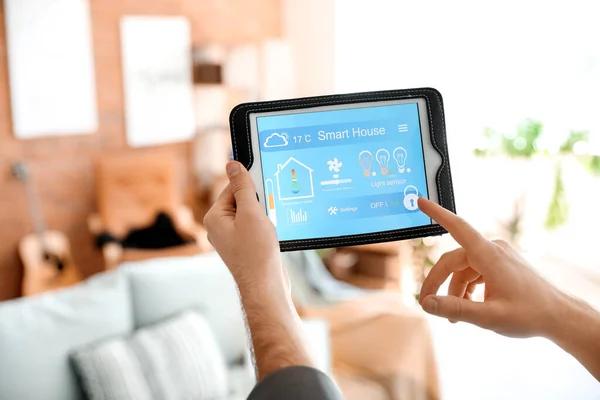
Upgrading to home automation in Florida offers numerous benefits, including enhanced convenience, improved energy efficiency, and increased security. However, before investing in such technology, several important factors should be carefully considered to ensure the system meets your needs and delivers long-term value. The first consideration is understanding the specific goals you want to achieve with home automation. Whether it’s controlling lighting remotely, managing climate settings more efficiently, or integrating security cameras and alarms, having a clear vision helps in selecting compatible devices and systems that align with your lifestyle.
Another essential aspect is evaluating the compatibility of new devices with existing infrastructure. Many homes have different wiring setups or older electrical systems that may not support certain smart technologies without upgrades. In Florida’s humid climate, it is also vital to choose equipment designed to withstand high humidity levels and temperature fluctuations to avoid premature wear or malfunction. Additionally, researching local regulations related to wireless communication frequencies and installation permits can prevent legal complications during setup.
Budget plays a significant role when upgrading to home automation. While initial costs vary widely depending on system complexity and brand choices, ongoing expenses like subscription fees for cloud services or professional monitoring should be factored into the explore deeper total cost of ownership. It is advisable to prioritize scalable solutions that allow gradual expansion rather than committing entirely upfront since technology evolves rapidly.
Security concerns must not be overlooked when connecting various devices through the internet. Ensuring robust encryption protocols are in place protects against unauthorized access or data breaches that could compromise privacy or safety. Opting for reputable manufacturers known for regular software updates enhances protection against emerging cyber threats.
The ease of use also affects overall satisfaction with home automation systems. User-friendly interfaces accessible via smartphones or voice commands encourage consistent utilization by all household members regardless of their technical expertise level. Compatibility with popular virtual assistants like Alexa or Google Assistant adds convenience but requires verifying whether these platforms support all desired features.
Professional installation versus do-it-yourself options depends on individual comfort levels as well as system complexity; hiring certified technicians guarantees proper configuration but increases upfront costs while DIY kits offer affordability at potential risk of errors affecting functionality.
Finally, considering customer support availability from vendors ensures timely assistance if issues arise post-installation which contributes significantly toward maintaining smooth operation over time within Florida’s dynamic environment where power surges from storms might impact connected devices frequently.
By thoroughly assessing these factors beforehand-goals alignment, compatibility with current infrastructure and climate conditions, budget constraints including future expenses, cybersecurity measures implemented by providers alongside usability preferences-a homeowner can make an informed decision about upgrading their residence into a smart home tailored specifically for Florida living conditions without unnecessary risks or unexpected expenditures down the line.