

Spray foam insulation has become a popular choice for homeowners and builders seeking energy efficiency and comfort. Known for its superior insulating properties, it helps reduce energy bills, enhances indoor air quality, and minimizes noise pollution. At First Defense Insulation, our experts provide invaluable insights into maximizing the benefits of spray foam insulation.
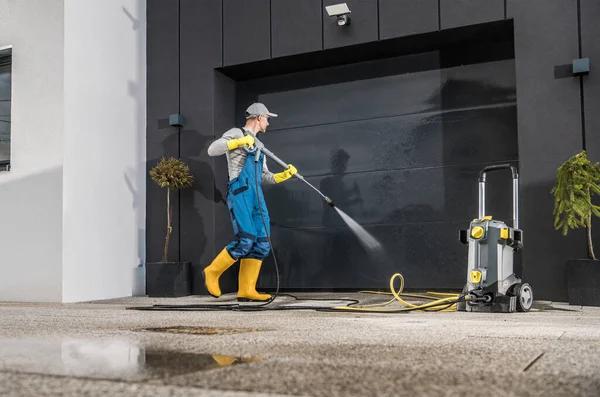
One of the primary tips from our experts is to ensure proper preparation before application. This involves thoroughly cleaning the surface where the foam will be applied. Dust, debris, or moisture can hinder adhesion and compromise the insulation’s effectiveness. It’s crucial to inspect areas meticulously and address any issues such as leaks or structural damage prior to installation.
Another essential tip is selecting read the complete guide right type of spray foam for your project. There are two main types: open-cell and closed-cell spray foam. Open-cell foam is lighter, more flexible, and suitable for interior applications where soundproofing is desired alongside thermal insulation. Closed-cell foam is denser with a higher R-value per inch; it’s ideal for exterior applications due to its water-resistant properties.
Proper safety measures cannot be overstated when working with spray foam insulation. The chemicals involved require careful handling; thus wearing appropriate personal protective equipment (PPE) such as gloves, goggles, and respirators is mandatory during application. Ensuring adequate ventilation in work areas also helps mitigate exposure risks.
Correct application technique significantly impacts performance outcomes as well. Our experts advise using a consistent spraying motion while maintaining an optimal distance from surfaces to achieve uniform coverage without over-application or gaps that could lead to thermal bridging—where heat passes through less insulated sections leading to energy loss.
Timing plays a pivotal role too in successful installations; temperature conditions affect curing processes of spray foams hence applying them within recommended temperature ranges ensures they expand properly forming effective seals against air infiltration which maximizes their insulating capabilities.