
HVAC contractors play a crucial role in ensuring that heating, ventilation, and air conditioning systems function efficiently and safely. Managing safety standards consistently is fundamental to their work, as it protects both workers and clients from potential hazards. To achieve this, HVAC professionals follow a combination of regulatory compliance, ongoing education, thorough planning, and practical safety measures.
Firstly, adherence to local, state, and federal regulations forms the backbone of consistent safety management. Contractors stay updated on codes such as OSHA (Occupational Safety and Health Administration) guidelines and industry-specific standards like those set by ASHRAE (American Society of Heating, Refrigerating and Air-Conditioning Engineers). These regulations cover everything from proper handling of refrigerants to electrical wiring requirements. By aligning their practices with these rules, contractors ensure that installations and repairs meet legal safety benchmarks.
Education plays an essential role in maintaining high safety standards over time. HVAC professionals frequently participate in training programs designed to refresh knowledge about new technologies or changes in code requirements. This continuous learning process helps them recognize emerging risks associated with modern equipment or materials. Additionally, many companies encourage certifications that emphasize safety competencies alongside technical skills. Such credentials demonstrate a contractor’s commitment to safe working environments.
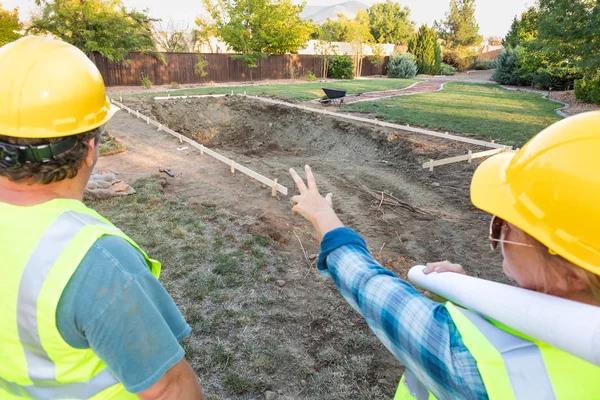
Before beginning any project, careful find out planning helps identify potential hazards unique to each job site. Contractors conduct risk assessments that consider factors like confined spaces, electrical dangers, or chemical exposures related to refrigerants used in cooling systems. This proactive approach allows teams to implement specific controls tailored for each environment rather than relying solely on generic precautions.
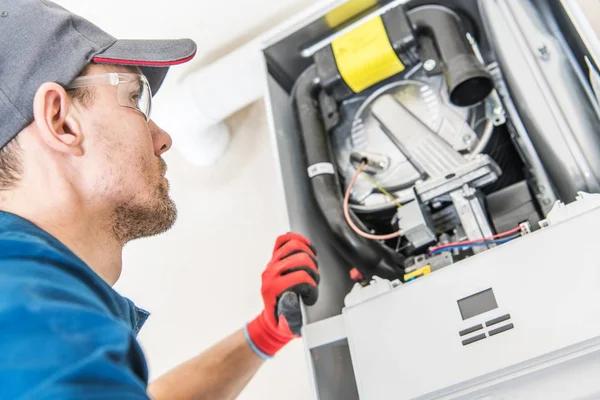
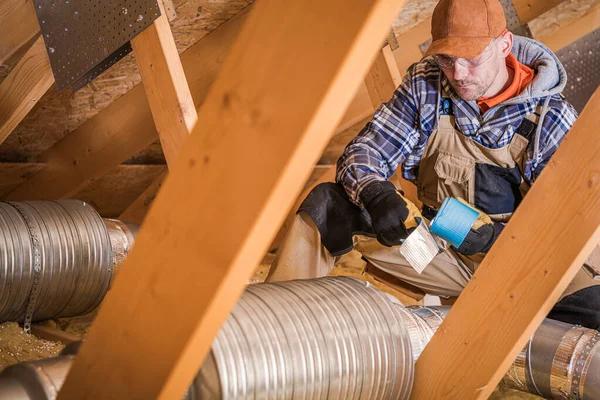
On the practical side of daily operations, HVAC contractors consistently use personal protective equipment (PPE) such as gloves, goggles, respirators when necessary,and insulated tools for electrical tasks.These items reduce injury risks during installation or maintenance activities.Additionally,safety protocols often include lockout-tagout procedures which prevent accidental energizing of equipment during servicing.This practice safeguards technicians against electric shocks or mechanical injuries.
Communication within teams also enhances consistent safety management.Contractors hold regular meetings where workers discuss recent incidents,potential hazards,and improvements needed on-site.Open dialogue encourages vigilance among staff members,making everyone responsible for upholding standards.Workplace culture emphasizing accountability ensures no shortcuts compromise security measures.
Equipment maintenance is another critical factor.Contractor companies routinely inspect tools,machinery,and vehicles used on projects.Regular checks confirm all devices operate correctly without posing unexpected dangers.Faulty gear can lead not only to accidents but also costly delays; thus,reliable functioning supports smooth,safe workflows.
In summary,HAVC contractors manage safety standards through strict regulatory compliance,dedicated training,risk-focused planning,effective communication,and diligent upkeep of equipment.By integrating these elements into everyday practices,the industry minimizes workplace accidents while delivering dependable service.A strong emphasis on prevention fosters trust between contractors,their employees,and clients,resulting in safer environments across diverse settings where heating,cooling,and ventilation needs are addressed professionally.