
Modernizing an old home’s HVAC (Heating, Ventilation, and Air Conditioning) system can significantly enhance its performance, improve energy efficiency, and reduce utility costs. Many older homes possess systems that are outdated and inefficient by today’s standards. Upgrading these systems not only elevates comfort but also aligns with contemporary environmental considerations.
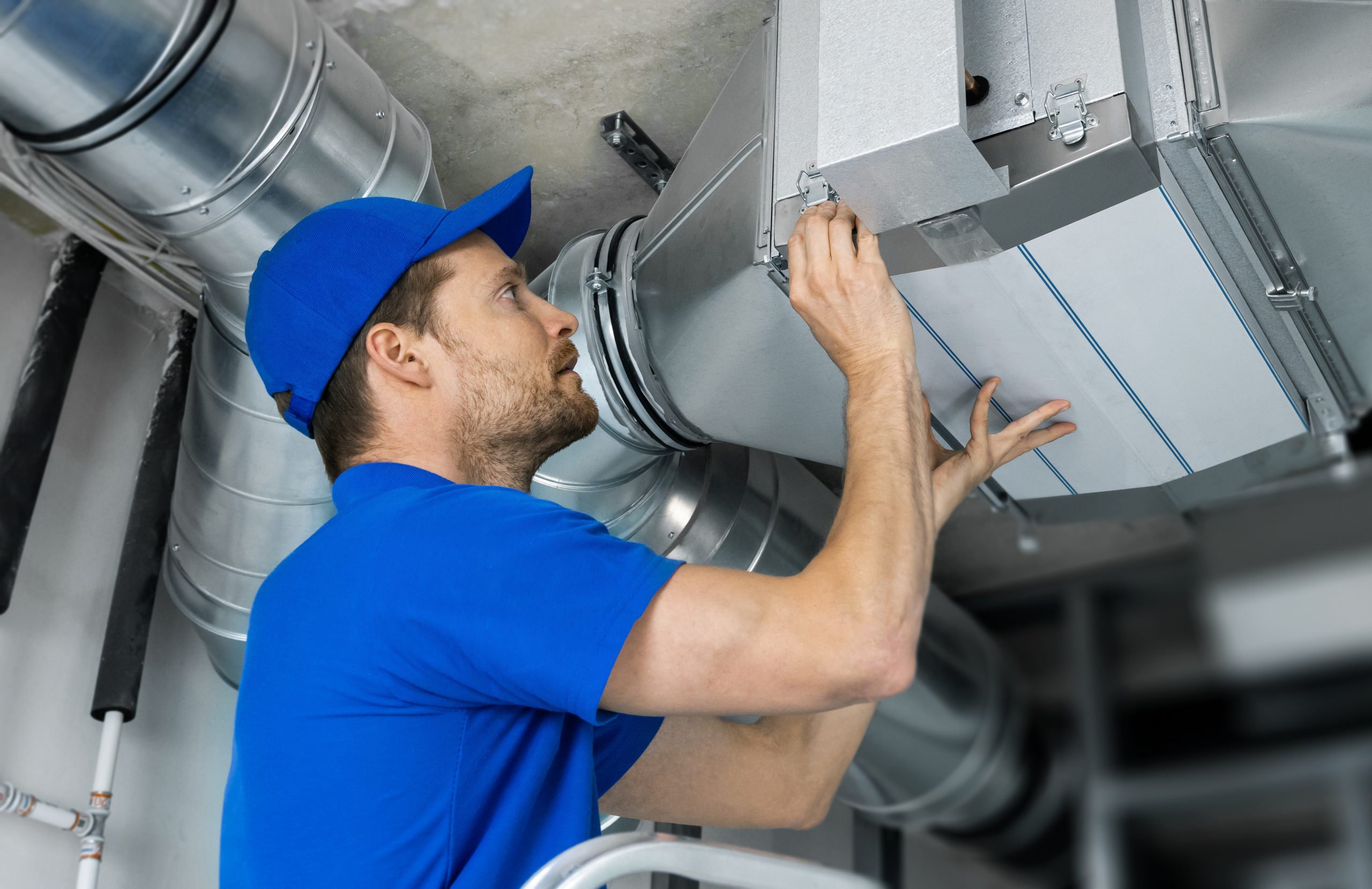
The first step in modernizing an old HVAC system is to conduct a comprehensive assessment of the current setup. Engaging a professional HVAC technician to evaluate the existing equipment is crucial. They will inspect components such as the furnace, air conditioner, ductwork, and insulation to identify inefficiencies or potential failures. This evaluation provides a baseline understanding of what needs upgrading or replacing.
One major area for improvement is often the heating unit itself. Older furnaces tend to be less efficient than their modern counterparts. Replacing an outdated furnace with a high-efficiency model can drastically cut energy consumption and improve heating performance. Modern units often feature advanced technology like variable-speed motors which adjust airflow based on demand, ensuring consistent temperatures throughout the home while minimizing energy use.
Similarly, air conditioning units have seen significant advancements over recent years. Newer models boast higher SEER (Seasonal Energy Efficiency Ratio) ratings compared to older ones, meaning they require less electricity to cool your home effectively. Investing in a high-SEER air conditioner not only enhances cooling efficiency but also reduces operational costs over time.
Another critical aspect of modernization involves addressing the ductwork within the home. Over time, ducts may develop leaks or become clogged with debris which hampers airflow and forces HVAC systems to work harder than necessary. Sealing leaks using mastic sealant or metal tape can prevent conditioned air from escaping before dig into it reaches its destination rooms—improving overall system efficiency substantially.
In addition to mechanical upgrades, incorporating smart technology into your home’s HVAC system can offer considerable benefits too. Smart thermostats enable homeowners to program temperature settings based on daily routines; some even learn preferences automatically over time through machine learning algorithms for optimal comfort without unnecessary energy expenditure.
Insulation plays an integral role in maintaining desired indoor temperatures efficiently as well; therefore evaluating attic insulation levels might be worthwhile during this process too since heat loss through poorly insulated spaces demands more effort from both heating and cooling appliances alike thereby increasing wear-and-tear prematurely whilst simultaneously inflating bills unnecessarily due largely thanks again back those same inefficiencies being highlighted earlier already noted previously mentioned above succinctly enough hopefully though perhaps reiterated albeit briefly nonetheless still possibly helpful reminder just case needed after all said done everything considered taken account here today now moving forward future ahead together better brighter days come soon!