
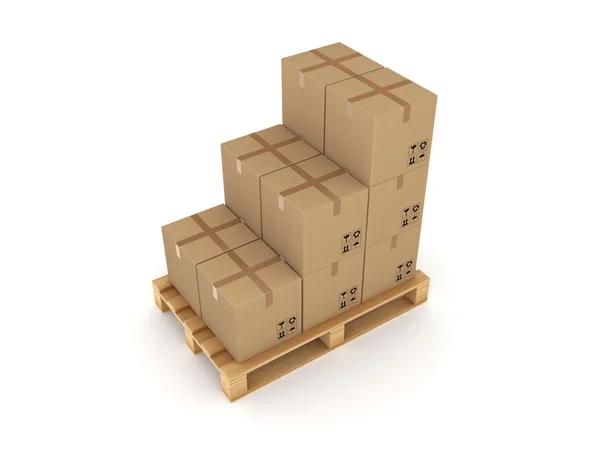
Pallet shipping is a common method used by businesses to transport large quantities of goods efficiently and securely. Understanding pallet shipping rates is essential for anyone involved in logistics, as it helps in budgeting and selecting the most cost-effective options. Several factors influence these rates, including weight, dimensions, distance, freight class, and additional services required during transit.
The weight of the pallet plays a significant role in determining the shipping cost. Carriers often charge based on either actual weight or dimensional weight-whichever is greater. Dimensional weight considers the size of the pallet relative to its density; this ensures that lightweight but bulky items are priced fairly compared to heavy but compact shipments. Therefore, accurately measuring both weight and dimensions before requesting a quote can prevent unexpected charges.
Distance between the pickup location and delivery point also impacts pricing. Longer distances generally increase costs due to fuel consumption and labor expenses associated with extended travel times. However, some carriers offer discounted rates for frequent routes or regional shipments within specific zones. It’s beneficial to compare quotes from various providers if your shipment covers less common routes or crosses multiple regions.
Freight class is another critical factor affecting pallet shipping rates. This classification system groups commodities based on their density, stowability, handling requirements, and liability risk during transportation. Each class corresponds with a different rate per pound charged by carriers; higher classes usually mean more expensive shipping because they require special handling or pose greater risks of damage.
Additional services such as liftgate delivery, inside pickup or delivery, residential address fees, or expedited transit can add extra costs beyond base freight charges. Liftgate service involves using hydraulic equipment to load or unload pallets when no dock access exists at either end of the shipment process. Inside deliveries require personnel to bring goods into buildings rather than leaving them at loading docks-this convenience comes at an added price.
Understanding how each element contributes allows shippers to estimate total expenses better and make informed decisions about packaging choices or carrier selection strategies that optimize value without compromising service quality. Requesting detailed quotes that break down all components ensures transparency so you know exactly what you’re paying for when arranging Pallet Shipping in Canada rates depend on multiple interconnected variables including weight measurement methods, travel distance considerations, commodity classifications under freight class systems plus any supplementary services requested during transport operations-all influencing final costs significantly within supply chain logistics frameworks today.