
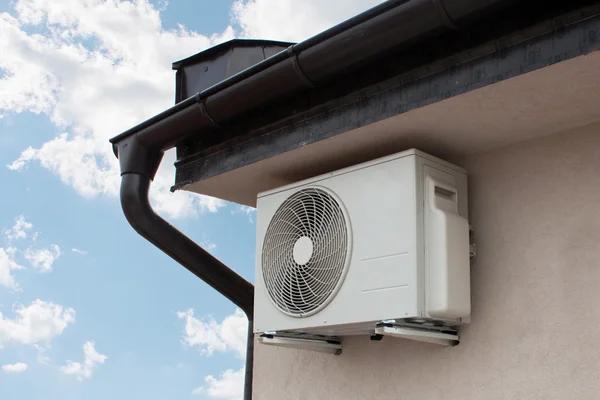
Proper HVAC installations play a crucial role in maintaining a comfortable and consistent indoor climate, ensuring that properties remain well-regulated throughout the year. Heating, ventilation, and air conditioning systems are designed to control temperature, humidity, and air quality, which directly impacts the health and comfort of occupants. When installed correctly, these systems work efficiently to provide reliable climate control while minimizing energy consumption.
A key aspect of effective HVAC installation is selecting the right system tailored to the specific needs of the property. Residential homes often require different configurations compared to commercial buildings due to variations in size, layout, and usage patterns. For instance, larger spaces may benefit from centralized units or zoned systems that allow independent temperature settings for different areas. This customization enhances comfort by addressing unique environmental demands within each space.
learn the facts installation process begins with a thorough assessment of the building’s structure and insulation levels. Proper sizing of equipment is essential; an undersized unit will struggle to maintain desired temperatures during extreme weather conditions while an oversized system can lead to frequent cycling that reduces efficiency and increases wear. Professional installers use detailed calculations based on square footage, window placement, ceiling height, and local climate data to determine optimal capacity.
Ventilation also plays a vital role in maintaining indoor air quality by removing stale air and introducing fresh outside air. Modern HVAC installations incorporate advanced filtration technologies that capture dust particles, allergens, and pollutants. This feature not only improves respiratory health but also helps protect sensitive equipment within the system from damage caused by debris accumulation.
Energy efficiency is another important consideration when installing HVAC systems today. High-efficiency models consume less power while delivering superior performance compared to older units. Installing programmable thermostats further enhances savings by allowing users to set schedules aligned with occupancy patterns rather than running continuously without need.
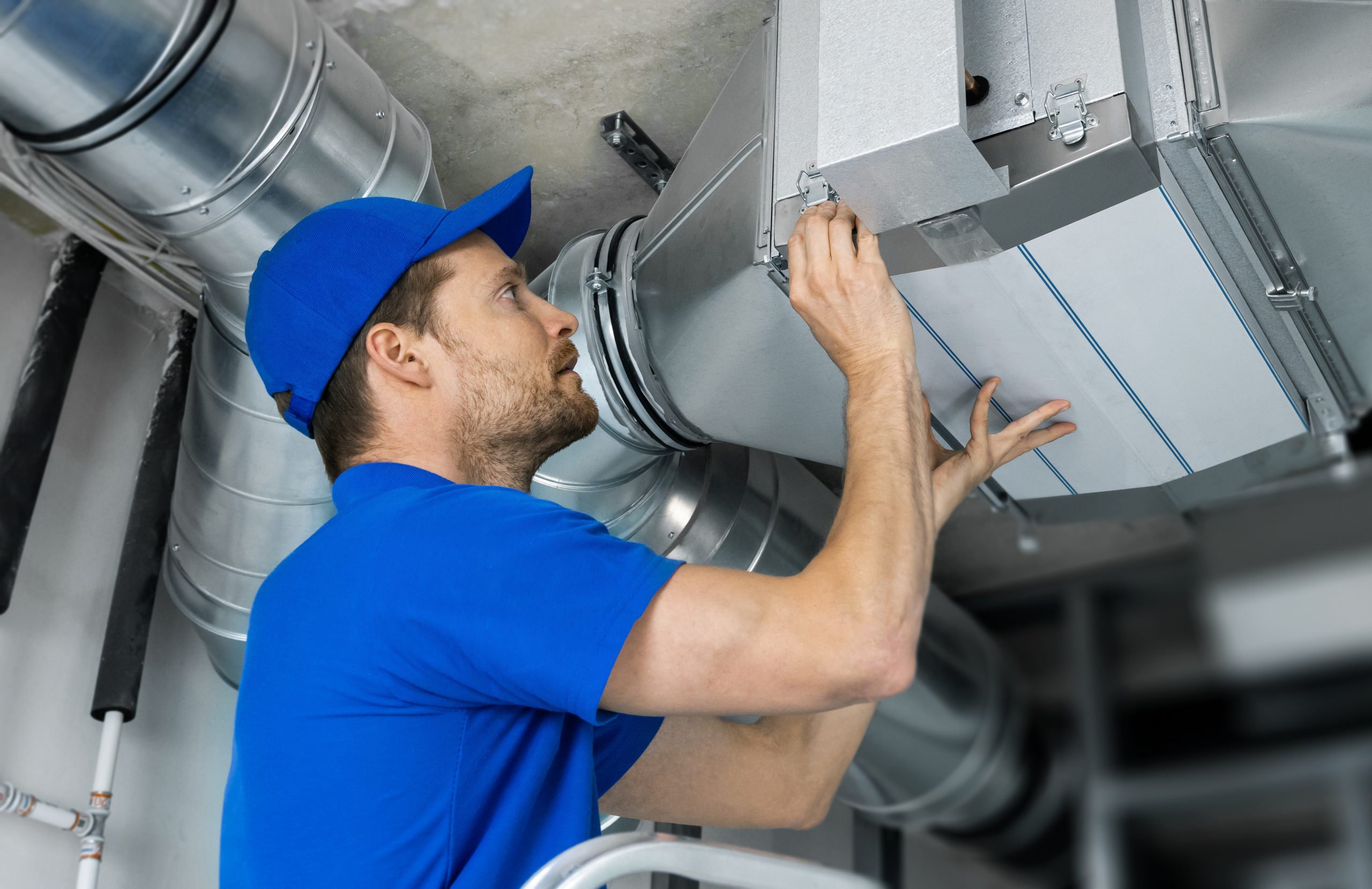
Proper ductwork design ensures even distribution of conditioned air throughout the property without significant loss through leaks or poor insulation around vents. Sealing ducts during installation prevents wasted energy and maintains consistent airflow rates necessary for balanced heating or cooling.
In summary, professional HVAC installations combine careful planning with modern technology to create environments that remain comfortable regardless of external weather changes. By choosing appropriate equipment sizes along with efficient ventilation strategies and energy-saving features like programmable controls or high-efficiency components, property owners can enjoy improved comfort levels alongside reduced operational costs over time. Regular maintenance following installation further preserves system longevity while sustaining optimal performance year-round for any residential or commercial setting seeking dependable climate control solutions.