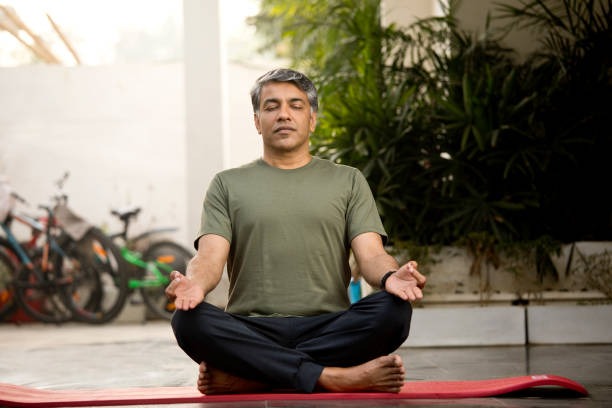


Maintaining flexibility is essential for overall health, mobility, and quality of life. While many people associate flexibility with intense stretching routines or yoga classes, simple everyday actions can significantly contribute to keeping your body supple and agile. Incorporating these habits into daily life not only improves muscle elasticity but also reduces the risk of injuries and enhances posture.
One effective way to promote flexibility is by staying active throughout the day. Sedentary behavior causes muscles and joints to stiffen, so regularly moving around helps keep tissues pliable. Activities such as walking, climbing stairs instead of using elevators, or even standing up frequently if you have a desk job encourage blood flow and prevent stiffness. Gentle movements that engage different muscle groups stimulate joint lubrication, which is vital for smooth motion.
Stretching should be a natural part of your routine rather than an occasional effort reserved for workouts. Simple stretches performed in the morning can awaken tight muscles after hours of inactivity during sleep. Stretching before bed may help relax muscles and improve sleep quality as well. Focus on major areas like the hamstrings, calves, shoulders, neck, and lower back since these regions often become tight due to daily activities or poor posture.
Hydration also plays a critical role in maintaining flexibility because water keeps tissues hydrated and elastic. Dehydrated muscles are prone to cramps and reduced range of motion. Drinking adequate amounts of water throughout the day supports cellular function within muscles and connective tissue.
Pay attention to your posture during everyday tasks such as sitting at a computer or carrying groceries; good alignment reduces unnecessary strain on joints and soft tissues that might otherwise tighten over time. Ergonomic adjustments like using chairs with proper lumbar support or positioning screens at eye level can minimize tension buildup.
Incorporating mindful breathing techniques while stretching or performing light exercises helps release muscle tension read more effectively by increasing oxygen flow to tissues involved in movement. Deep breaths combined with slow stretches encourage relaxation responses from the nervous system.
Lastly, varying your physical activities prevents repetitive stress on particular muscle groups while promoting balanced flexibility across the body’s musculature system. Engaging in diverse forms of exercise-ranging from swimming to tai chi-can enhance joint mobility without overloading any single area.
By integrating these straightforward practices into daily living-consistent gentle movement, regular stretching sessions, sufficient hydration, mindful posture management, controlled breathing during activity, and varied exercises-you create an environment conducive to sustained bodily flexibility that supports long-term health benefits beyond mere appearance or athletic performance alone.